
What Is CBT? (Cognitive Behavioral Therapy) A Simple Guide to Better Mental Health
Have you ever had a negative thought like, “I’m not good enough” or “Everything will go wrong”?
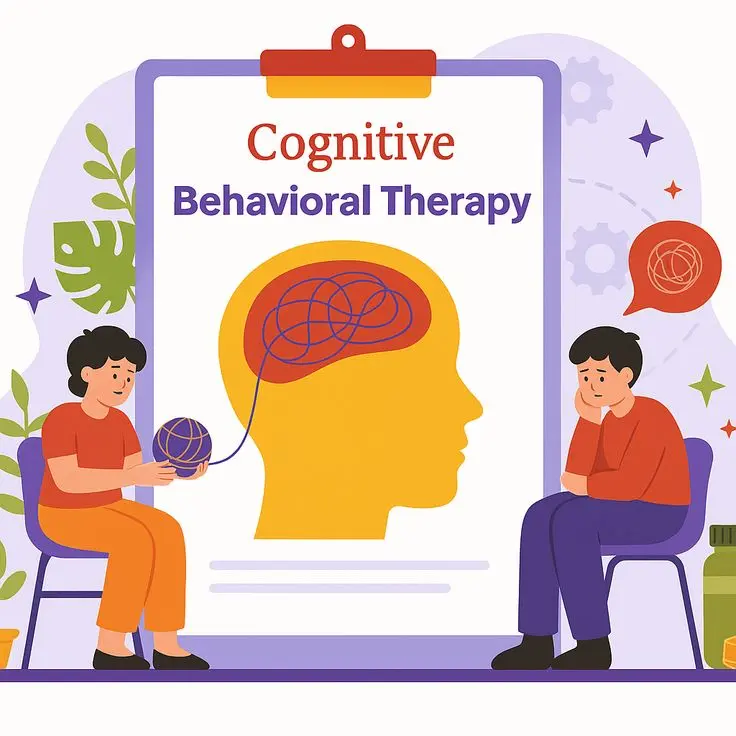
Sometimes these thoughts become so common that they affect how we feel and behave. Cognitive Behavioral Therapy (CBT) is a type of talk therapy that helps people understand these thoughts and replace them with healthier ones.
CBT is one of the most researched and effective therapies for improving emotional well-being. It helps people manage stress, anxiety, depression, and many other mental health challenges.
How Does Cognitive Behavioral Therapy Work?
CBT is based on one simple idea:
Your thoughts, feelings, and actions are connected.
For example:
Situation: You make a mistake at work or school.
Thought:
“I always fail.”
Feeling:
Sad, worried, or embarrassed.
Action:
You stop trying because you think you will fail again.
In CBT, you learn to replace that thought with a healthier one:
“I made one mistake, but I can learn from it.”
This new way of thinking often helps you feel calmer and more confident.
What Can CBT Help With?

Cognitive Behavioral Therapy can help people dealing with the following:
- Anxiety
- Depression
- Stress
- Panic attacks
- Obsessive-Compulsive Disorder (OCD)
- Social anxiety
- Low self-esteem
- Anger management
- Sleep problems
- Relationship difficulties
CBT is suitable for teenagers, adults, and older adults.
What Happens During a CBT Session?
A CBT session is a conversation between you and your therapist in a safe and supportive space.
During your sessions, you may:
- Talk about your thoughts and feelings.
- Identify negative thinking patterns.
- Learn healthier ways to respond to difficult situations.
- Practice simple coping techniques.
- Set small goals to improve your daily life.
Your therapist may also suggest simple exercises to practice between sessions.
Benefits of Cognitive Behavioral Therapy
CBT offers many benefits, including:
- Helps reduce anxiety and stress
- Improves emotional well-being
- Builds self-confidence
- Teaches healthy coping skills
- Helps solve problems more effectively
- Improves communication and relationships
- Supports long-term emotional health
Many people notice positive changes after a few sessions, although everyone’s journey is different.
Is CBT Right for Everyone?
CBT works well for many people, but every person’s needs are different.
Some people benefit from CBT alone, while others may need a combination of therapy, lifestyle changes, or medication recommended by a mental health professional.
The best approach depends on your personal situation and goals.
When Should You Consider CBT?
You may benefit from CBT if you:
- Feel anxious most days
- Worry too much
- Often feel sad or hopeless
- Struggle with stress
- Have negative thoughts that won’t go away
- Want healthier ways to handle life’s challenges
Seeking help early can make a big difference in improving your mental health.
Final Thoughts
Cognitive Behavioral Therapy (CBT) is a practical and effective way to improve mental health. By learning to recognize unhealthy thought patterns and replace them with balanced thinking, many people experience greater confidence, emotional strength, and peace of mind.
If you are looking for support with anxiety, stress, depression, or emotional well-being, speaking with a qualified mental health professional can be an important first step toward feeling better.
About the Author
Dr. Rati Chandra is an emotional well-being coach in Bangalore who helps individuals improve their mental and emotional health through evidence-based approaches, compassionate guidance, and personalized support. She empowers people to build resilience, manage stress, and lead more balanced, fulfilling lives.

Frequently Asked Questions (FAQs)
What is Cognitive Behavioral Therapy (CBT)?
CBT is a type of talk therapy that helps people identify and change negative thoughts and behaviors to improve their mental health.
Is CBT effective for anxiety?
Yes. CBT is one of the most effective treatments for anxiety disorders and helps people develop healthier ways to manage worry and fear.
Can CBT help with depression?
Yes. CBT helps people recognize negative thinking patterns and replace them with healthier, more realistic thoughts.
How long does CBT take?
Many people attend CBT for 8–20 sessions, but the exact length depends on individual needs and treatment goals.
Is CBT suitable for teenagers?
Yes. CBT is widely used for children, teenagers, and adults, with techniques adapted to different age groups.
Ready to Take the First Step Toward Better Mental Health?
You don’t have to face stress, anxiety, or overwhelming thoughts alone. Cognitive Behavioral Therapy (CBT) can help you build healthier thinking patterns and develop practical coping skills for everyday life.
Book a confidential consultation with Dr. Rati Chandra today and begin your journey toward emotional well-being and lasting positive change.
Your mental health journey doesn’t end here. Discover more expert articles on emotional well-being, stress management, anxiety, self-care, and personal growth to help you build a healthier, happier life.