
Stress Management Techniques That Actually Work: Simple Ways to Feel Calmer
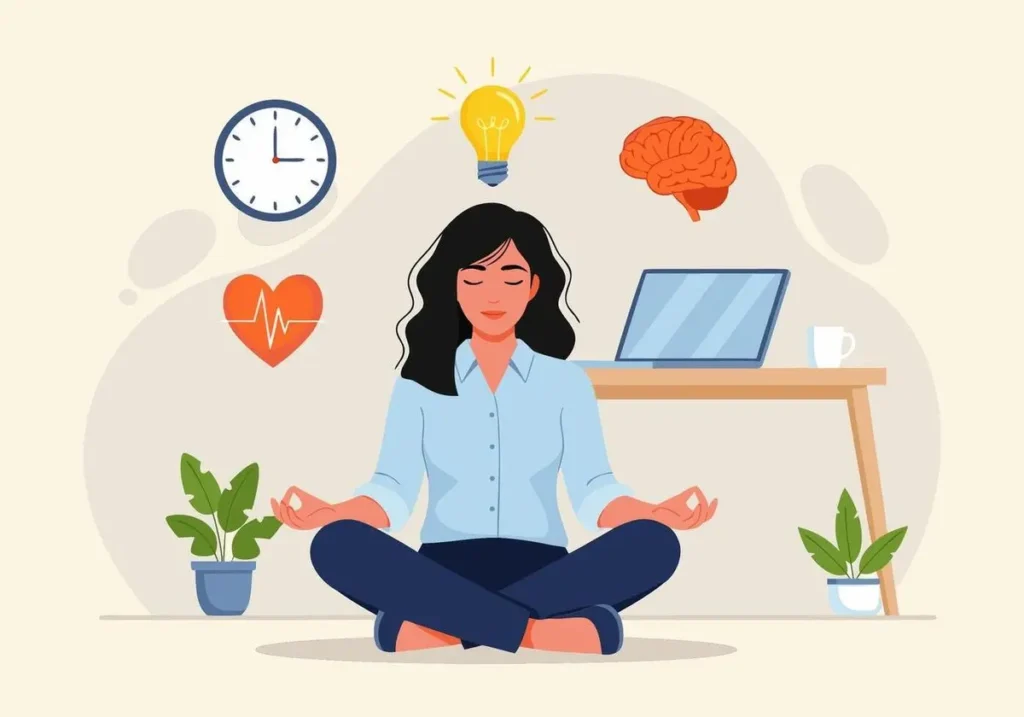
Stress is a normal part of life. We may feel stressed because of work, studies, family responsibilities, money problems, health concerns, or unexpected changes. A little stress can sometimes motivate us to take action. However, when stress becomes constant or overwhelming, it can affect our emotional and physical well-being.
You may feel tired, irritated, worried, or unable to focus. You may also find it difficult to sleep or enjoy the things you normally like.
The good news is that stress can be managed. You may not always be able to remove the source of stress, but you can learn healthier ways to respond to it.
Here are some stress management techniques that actually work and can be practised in everyday life.
1. Take Slow, Deep Breaths
When you feel stressed, your body may become tense and your breathing may become faster. Taking slow breaths can help you pause and feel more grounded.
Try this simple exercise:
- Breathe in slowly.
- Pause for a moment.
- Breathe out slowly.
- Repeat for a few minutes.
You do not need a special place or equipment. You can practise slow breathing at home, at work, or whenever you feel overwhelmed. Relaxation and breathing exercises are commonly used as practical ways to manage stress.
2. Move Your Body
You do not have to spend hours in the gym to manage stress. Even simple physical activity can help.
You could:
- Go for a walk
- Stretch your body
- Dance to your favourite music
- Practise yoga
- Take the stairs
- Spend time doing an activity you enjoy
Regular physical activity can support both physical and emotional well-being and is one of the healthy habits recommended for coping with stress.
3. Focus on What You Can Control
Stress often becomes worse when we spend too much time thinking about things we cannot control.
For example, you cannot control every decision another person makes. You also cannot control everything that may happen in the future. But you can control your next step.
Ask yourself:
“What is one small thing I can do right now?”
Instead of trying to solve everything at once, focus on one manageable action. Small steps can make a difficult situation feel less overwhelming.
4. Get Enough Rest and Sleep
When you are stressed, your mind may feel busy even when your body is tired. However, getting enough sleep is important because your body and mind need time to rest and recover.
Try to:
- Sleep and wake up at similar times each day
- Reduce screen time before bed
- Create a calm sleeping environment
- Avoid caffeine late in the day if it affects your sleep
Healthy sleep habits can support emotional well-being and help the body recover from the effects of stress.
5. Talk to Someone You Trust
You do not have to carry every problem alone.
Talking to a trusted friend, family member, or professional can help you feel supported. Sometimes, sharing your thoughts does not solve the problem immediately, but it can make you feel less alone and help you see the situation more clearly.
A strong support system can also help people cope better during stressful times.
6. Take Short Breaks
When you are busy, you may feel that you do not have time to take a break. But working continuously without rest can make stress feel worse.
Try taking a short break to:
- Step away from your screen
- Stretch your body
- Drink water
- Take a short walk
- Sit quietly for a few minutes
A short pause can help your mind reset and make it easier to return to your work.
7. Write Down What Is Worrying You
When your mind is full of worries, writing them down can help organize your thoughts.
You can ask yourself:
- What exactly is worrying me?
- Is there something I can do about it?
- What is the next small step?
- What is outside my control?
Writing does not make the problem disappear, but it can help you understand what you are feeling and identify practical steps.
8. Reduce Unnecessary Screen and Social Media Time
Constantly checking social media, news, emails, or messages can sometimes make stress worse.
You do not need to avoid technology completely. Instead, notice how certain content makes you feel.
If scrolling through social media leaves you feeling anxious or overwhelmed, consider taking regular breaks. Setting healthy boundaries around screen time can create more mental space for rest and other activities.
9. Practise Mindfulness
Mindfulness means paying attention to the present moment without judging yourself.
You can practise mindfulness by noticing:
- What you can see around you
- What sounds you can hear
- How your body feels
- Your breathing
- Your thoughts and emotions
Mindfulness does not mean forcing your mind to become completely empty. It simply helps you notice what is happening right now instead of becoming completely lost in worries about the past or future. WHO includes mindfulness and relaxation techniques among stress-management approaches.
10. Seek Professional Support When You Need It
Sometimes, self-help strategies may not be enough. This does not mean you have failed.
If stress is affecting your sleep, work, studies, relationships, or daily life, speaking with a qualified mental health professional can help.
A psychologist can provide a safe and supportive space to understand what is causing your stress and develop healthier coping strategies.
Asking for support is not a sign of weakness. It is a step toward taking care of yourself.

When Should You Seek Help for Stress?
Consider seeking professional support if:
- Stress feels overwhelming most of the time
- You are having ongoing sleep problems
- You feel constantly worried or emotionally exhausted
- Stress is affecting your relationships
- You are struggling to manage work or daily responsibilities
- Your usual coping methods are no longer helping
If you ever feel at immediate risk of harming yourself or someone else, seek urgent help from local emergency services or a crisis service in your area.
Final Thoughts
There is no single stress-management technique that works perfectly for everyone. What helps one person may not work in the same way for another.
The key is to find healthy strategies that you can practise regularly. Slow breathing, physical movement, better sleep, supportive relationships, short breaks, and professional guidance can all play a role in managing stress.
You do not need to change everything overnight. Start with one small habit. Over time, these small steps can help you feel calmer, more balanced, and better prepared to handle life’s challenges.
About the Author
Dr. Rati Chandra is a compassionate psychologist and emotional well-being coach based in Bangalore. She is dedicated to helping individuals better understand their emotions, manage stress and anxiety, and navigate life’s challenges with greater clarity and resilience.
Through her work and educational content, Dr. Rati Chandra aims to make mental health information easier to understand and encourage people to seek support without fear or judgment. Her approach focuses on creating a safe, supportive space where individuals can explore their experiences and work toward better emotional well-being.
Take the First Step Toward Better Emotional Well-Being
Stress may be a part of life, but you do not have to face overwhelming stress alone. If stress, anxiety, or emotional challenges are affecting your daily life, professional support can help.